The future of intelligent property management in Montreal in 2026
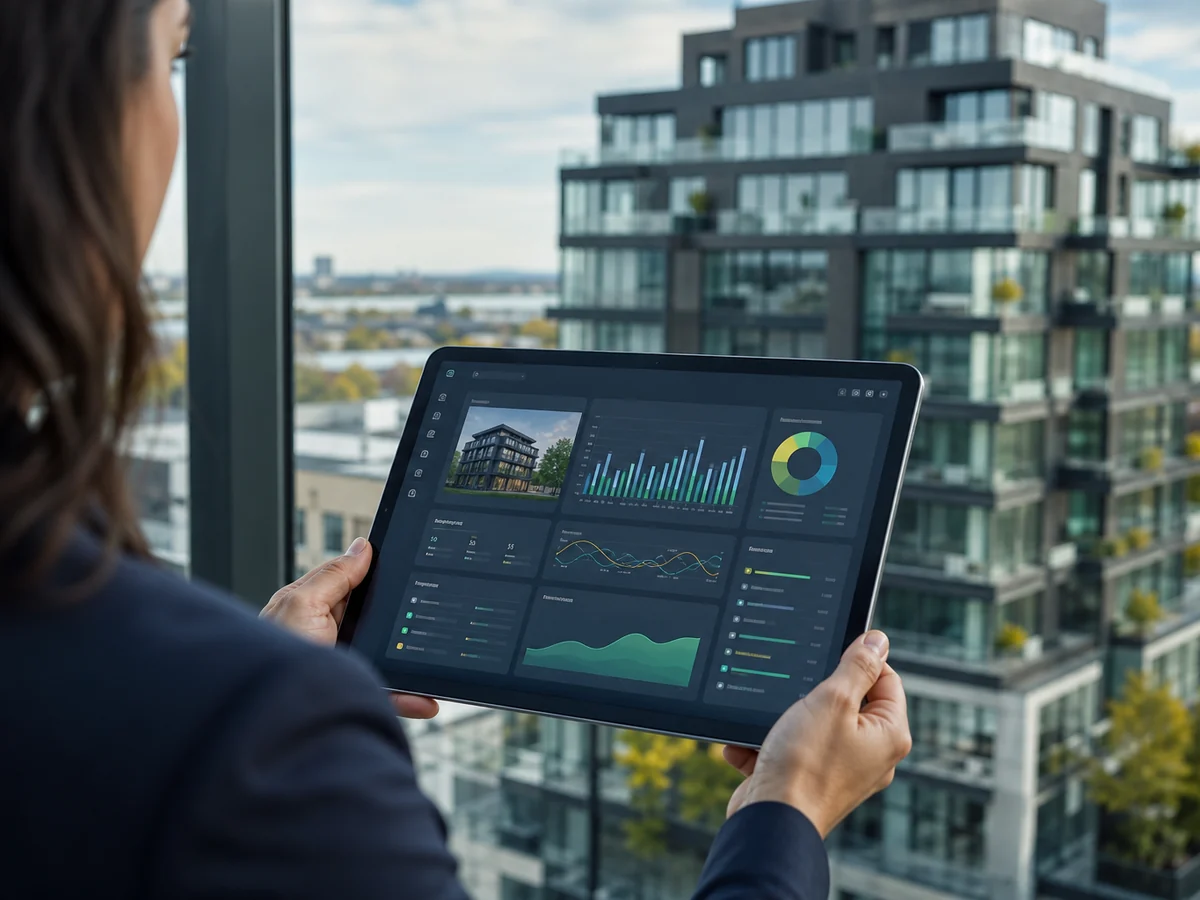
Smart property management in Montreal in 2026 means automating repetitive tasks (rent reminders, maintenance follow-ups, reports) while keeping human judgment for emergencies and disputes. Three trends drive this shift: data-driven operations, digital board governance for condo boards, and automated short-term rental workflows — each covered here with practical takeaways for Montreal owners.
What trends are shaping intelligent property management in 2026?
Digitizing core workflows (budgets, work orders, maintenance logs) and leveraging operational data (occupancy rates, time-to-lease, recurring costs) has become the baseline for well-run properties. For condo boards and landlords across Montreal, this shift from spreadsheets to centralized platforms is no longer optional: it cuts manual error, makes decisions auditable, and enables proactive management instead of reactive damage control.
How do condo boards and investors benefit from digital platforms?
Boards can centralize meeting materials, contracts, and the full work history of a building, directly supporting transparency obligations under Quebec's Act respecting divided co-ownership (C-6.1). Well-maintained digital records reduce disputes at annual meetings and simplify handoffs when managers change or units are sold.
What does 'smart' mean for Airbnb and long-term rentals?
For short-term rentals in Montreal, automated guest messaging, cleaning schedules, and reservation calendars reduce friction and cancellation risk. For long-term rentals, rigorous tenant screening and active tenancy management limit turnover, one of the most underestimated cost drivers in a real estate portfolio.